The Society for Gas as a Marine Fuel (SGMF) has published its first ISO-compliant Life Cycle Assessment (LCA) for methanol as a marine fuel, completing its portfolio of environmental studies alongside LNG and ammonia. Conducted by WSP and peer-reviewed by experts, the study evaluates 15 production pathways using various 2-stroke and 4-stroke engine types to measure greenhouse gas reduction potential. This comprehensive, science-based resource aims to provide stakeholders with accurate, transparent data to support shipping’s ongoing decarbonization journey.
London, UK | September 16, 2026 – The Society for Gas as a Marine Fuel (SGMF) has officially published its inaugural Life Cycle Assessment (LCA) for methanol as a marine fuel, completing the organization’s comprehensive suite of well-to-wake environmental studies for shipping’s leading alternative fuels.
Released to provide a rigorous, science-based reference point for the maritime transition, the study evaluates 15 distinct methanol production pathways. It underscores the profound greenhouse gas (GHG) reduction potential embedded within renewable and synthetic methanol production frameworks.
A Complete Decarbonization Portfolio
This latest publication rounds out SGMF’s exhaustive body of comparative LCA work:
- 2024: Inaugural ammonia LCA published.
- Early 2026: Third-edition LNG Life Cycle Assessment released.
- Present: New methanol LCA completed.
Together, these three peer-reviewed frameworks give shipowners, regulators, and energy stakeholders a uniform yardstick to measure the emissions performance of the industry’s primary alternative fuel candidates.
Inside the Methanol Study
Conducted by engineering consultancy WSP and critically peer-reviewed by leading academics and industry experts, the methanol assessment captures the operational realities of diverse machinery.
- Production Scope: Covers 15 varied pathways to account for stark differences in carbon intensity.
- Engine Performance: Calculations factor in real-world performance across multiple propulsion profiles, including low-speed 2-stroke and medium-speed 4-stroke engines.
- Future-Proofing: SGMF emphasized that LCAs act as performance snapshots. Given rapid advancements in alternative fuel technology, the organization plans regular updates to capture emerging trends, including co-processing approaches.
Industry Perspective and Access
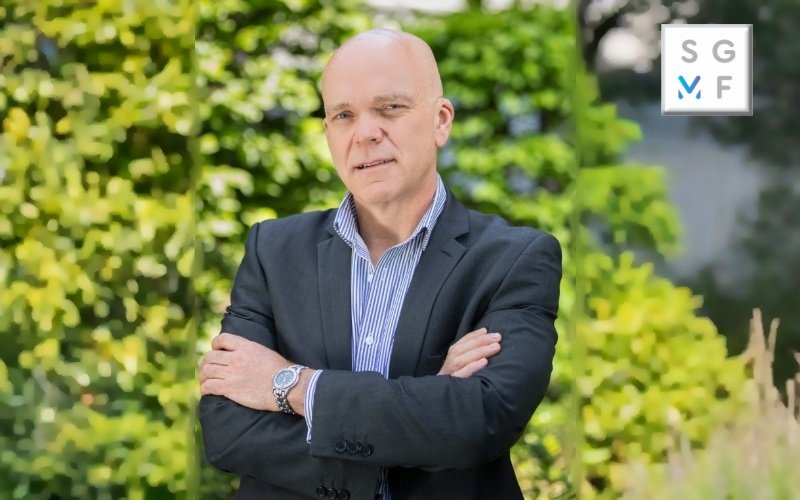
Mark Bell, General Manager and COO of SGMF, highlighted the organization’s fuel-agnostic mandate:
“SGMF is the only fuel-agnostic NGO with a proven track on providing clear and fact-based information to the maritime industry, covering technical and environmental aspects of future marine fuels. We therefore take pride in being the first organisation that conducted a high-quality full LCA on methanol as a marine fuel, complementing our portfolio of marine fuel LCA’s.”
The complete ISO-compliant Life Cycle Assessment report on methanol is now publicly available for download at SGMF website.
About The Society for Gas as a Marine Fuel (SGMF)
The Society for Gas as a Marine Fuel (SGMF) was established in 2013 with a pioneering vision to become the only organization of its kind dedicated to promoting safety and industry best practice in the use of gas as a marine fuel. In 2018, SGMF expanded its remit and became a trusted voice at the International Maritime Organization. Today, SGMF embraces all low-flashpoint fuels covered by the IGF Code, strengthening its cross-sector impact while reinforcing its position as the maritime industry’s cornerstone for dependable, fact-based information.
Source: SGMF