
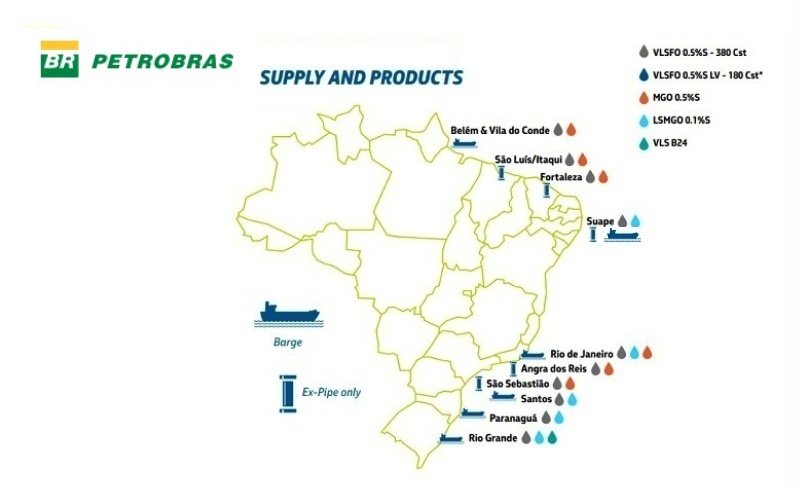
Brazilian energy major Petrobras has expanded its bunkering footprint by initiating barge-delivered VLSFO and LSMGO supplies at the Port of Suape in Pernambuco. The new service optimizes local logistics by supplementing traditional pipeline transfers for berthed vessels. This operational upgrade coincides with ongoing channel dredging projects and rising regional liquid bulk trade volumes along Brazil’s northeastern seaboard.
Suape, Brazil | August 10, 2026 – Brazilian state-controlled energy giant Petrobras has officially launched barge-delivered bunker fuel operations at the Port of Suape, located in the northeastern state of Pernambuco. The strategic service expansion enables the direct supply of Very Low Sulphur Fuel Oil (VLSFO) and Low Sulphur Marine Gas Oil (LSMGO) via bunker barge to ships calling at the vital industrial and logistics hub.
Operational Scope and Service Limitations
Following the receipt of final operational licenses from regulatory authorities, Petrobras successfully completed initial proof-of-concept barge deliveries to its own vessels.
Key parameters of the newly operational service include:
- Delivery Method: Dedicated barge supply, supplementing the port’s existing infrastructure. Historically, bunker delivery at Suape was heavily reliant on pipeline transfers.
- Target Audience: The service is strictly tailored for berthed vessels.
- Anchorage Constraints: Because the Port of Suape does not feature a protected inner anchorage area, Off-Port-Limits (OPL) bunkering operations are not currently supported by the new barge setup.
Strategic Timing Amid Broader Port Upgrades
The introduction of barge bunkering coincides with a period of intense logistical growth for the Port of Suape. Earlier in the year, the port completed major internal channel dredging works, deepening drafts to 16.2 meters under a R$ 217 million federal and state-backed project. This milestone allows larger New Panamax-class container ships and deep-draft tankers to navigate the terminal safely.
Furthermore, with Petrobras channeling substantial investments into the nearby Refinaria Abreu e Lima (RNEST) to ramp up regional liquid bulk and petroleum product outputs, the addition of flexible barge bunkering directly addresses the rising volume of chemical, container, and tanker traffic along Brazil’s northeastern seaboard.
About Petrobras
Petrobras, officially known as Petróleo Brasileiro S.A., stands as Brazil’s largest energy corporation and one of the world’s largest oil and gas companies by market capitalization. With operations spanning across exploration, production, refining, and distribution, Petrobras plays a pivotal role in Brazil’s economy and global energy markets.
The company has a proven track record in technological innovation and sustainable practices, exemplified by its pioneering efforts in deep-water oil exploration and commitment to reducing carbon emissions. Petrobras continues to lead the way in advancing Brazil’s energy independence and promoting environmental stewardship in the energy sector.
Source: Petrobras