
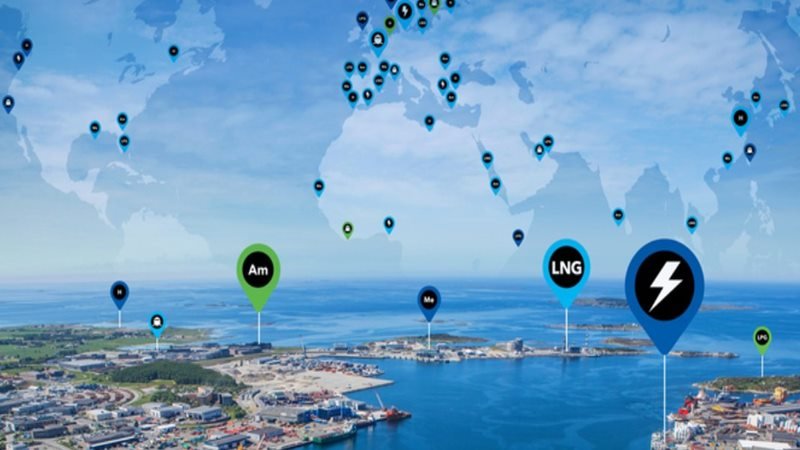
DNV – Despite a broader decline in global shipbuilding activity, 2025 is proving to be a landmark year for the adoption of alternative fuels in the maritime sector. According to the latest data from DNV’s Alternative Fuels Insight (AFI) platform, new orders for alternative-fuelled vessels have surged, reaching 19.8 million gross tonnes (GT) in the first half of 2025—a 78% increase compared to the same period in 2024.
This growth comes even as the total number of vessels ordered dipped slightly from 179 in H1 2024 to 151 in H1 2025, highlighting a fundamental shift: shipowners are prioritizing tonnage and fuel innovation over quantity, making strategic bets on decarbonized tonnage amid increasing regulatory pressure and fuel infrastructure development.
Segment Leaders Emerge: Container Ships Drive the Trend
The container segment continues to dominate the alternative fuels narrative, accounting for the lion’s share of growth. Of the total 19.8 million GT ordered in the first half of 2025, 13.6 million GT came from the container sector alone. This is a strong signal that some of the industry’s most complex and commercially exposed operators are taking the lead in transitioning to cleaner fuels.
The growth isn’t limited to containers. The bulker, tanker, and RoPax segments also showed strong interest in alternative fuels, reinforcing that decarbonization is gaining traction across diverse vessel classes.
Knut Ørbeck-Nilssen, CEO Maritime at DNV, emphasized the shift in sentiment “We’re seeing a broader shift take hold across the industry. The energy transition is no longer driven solely by first movers, it’s now being shaped by a second wave of shipowners who are integrating alternative fuels and technologies into their core strategies. Even in a slower newbuild market, fuel choices are diversifying, and decarbonization is becoming embedded in everyday decision-making. We expect that fuel choices and energy efficiency investments will accelerate as the regulatory framework becomes clearer over the next 4-10 months.”
Fuel Breakdown: LNG Leads, Methanol Gains Ground
The detailed breakdown from DNV’s AFI platform reveals that LNG remains the top alternative fuel choice, with 87 vessels totaling 14.2 million GT ordered so far in 2025. Of these, 81 LNG-fuelled container ships represent 13.6 million GT, underlining the dominance of LNG in this category.
Methanol continues to show strong momentum, with 40 vessels totaling 4.6 million GT ordered across container ships, tankers, RoPax ferries, offshore vessels, and car carriers. The versatility and increasing bunkering availability of methanol make it a viable mid-term solution for many operators.
Ammonia and Hydrogen: Niche but Not Neglected
Though still in early stages, ammonia and hydrogen are gaining cautious but consistent attention:
- Three ammonia-fuelled vessels were added to the orderbook, focused mainly on the tanker and general cargo sectors, totaling 37,000 GT.
- Hydrogen, which had previously quietened in ordering cycles, made a comeback with four vessels ordered, adding 114,000 GT to the hydrogen-powered fleet in development.
These figures reflect early-stage confidence in fuels that are expected to play a larger role as fuel technology matures and lifecycle assessment guidelines from the IMO provide greater clarity.
Jason Stefanatos, Global Decarbonization Director at DNV, noted “The data reflects a sector that is actively recalibrating. We’re not seeing a slowdown in ambition, but rather a more measured approach to investment—one that balances optionality, compliance readiness, and long-term fuel strategy. As shipowners weigh compliance strategies, the upcoming fuel intensity rules, which form part of the IMO’s Net-Zero Framework, are expected to accelerate this shift. We’re watching closely to see how this will be reflected in future ordering behavior, particularly as fuel availability and infrastructure evolve, and we get further regulatory clarity when IMO’s lifecycle assessment guidelines are decided.”
IMO Regulation and Lifecycle Assessments in Focus
The maritime sector is also bracing for a significant regulatory pivot as the IMO’s Net-Zero Framework takes form. The upcoming fuel intensity rules and lifecycle emissions assessments are expected to reshape compliance strategies across the board.
DNV suggests that as this framework becomes clearer over the next 4–10 months, more shipowners will adjust their investment and fuel decisions accordingly.
Alternative Fuel Vessel Orders – H1 2025 (Source: DNV AFI Platform)
| Fuel Type | Vessels Ordered | Total Gross Tonnage | Key Vessel Segments |
|---|---|---|---|
| LNG | 87 | 14.2 million GT | Primarily Container Ships (81 vessels) |
| Methanol | 40 | 4.6 million GT | Containers, Tankers, RoPax, Offshore, Car Carriers |
| Ammonia | 3 | 37,000 GT | Tankers, General Cargo |
| Hydrogen | 4 | 114,000 GT | Research, Specialty, Trial Vessels |
Bunkering Capacity: Infrastructure Catching Up
Crucial to the success of alternative fuels is the corresponding development in bunkering infrastructure. In H1 2025 alone, 13 LNG bunkering vessels were ordered, building on the 62 already in operation globally.
Notably, February 2025 was the most active month, with eight new LNG bunker vessel orders, indicating confidence in LNG supply chain maturity and an urgent push to match supply-side logistics with rising LNG-fuelled demand.
Conclusion: From Niche to Norm
The 2025 orderbook tells a clear story: alternative fuels are no longer a fringe experiment—they are becoming a mainstream strategic pillar for fleet owners across the world. With regulatory frameworks tightening and supporting infrastructure accelerating, the second half of 2025 and beyond is likely to see continued momentum in fuel diversification and decarbonization investments.
DNV AFI platform remains a valuable tool for industry players looking to monitor, compare, and align their strategies with the ongoing shift. The platform is free to access and can be found at DNV’s website.
About DNV Maritime
DNV Maritime is the world’s leading classification society and a recognized advisor to the maritime industry. With a global network of over 350 offices in more than 100 countries, DNV Maritime enhances the safety, quality, energy efficiency, and environmental performance of the global shipping industry for all vessel types and offshore structures. From entire vessel certification to individual component approval, and from newbuild verification to in-service compliance, DNV Maritime offers expert classification, certification, and advisory services, alongside advanced software solutions.
The division is deeply committed to research and development, collaborating with the industry to address strategic, operational, and regulatory challenges. By combining leading technical and operational expertise with rigorous risk methodology and in-depth industry knowledge, DNV Maritime empowers its customers with trusted insights, helping them turn possibilities into opportunities and make their operations safer, smarter, and greener.
Source DNV